The Joys of Britain's One-Room Wonderlands (and Why They Beat the Algorithm)
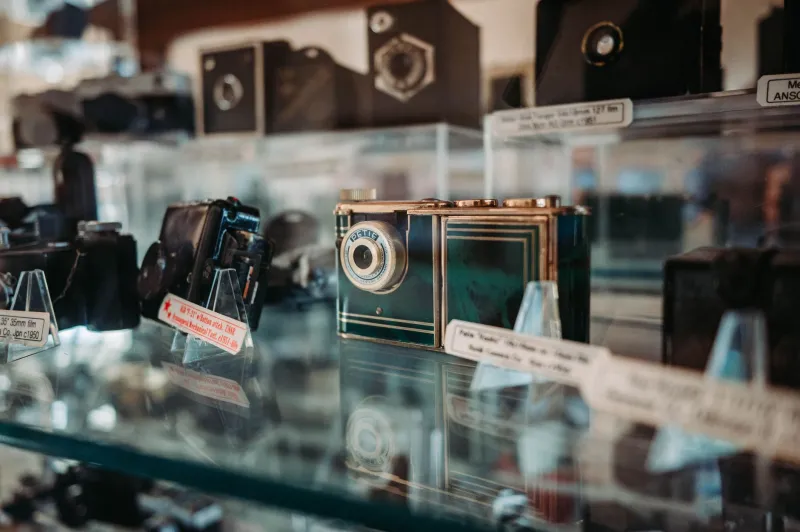
There is a particular kind of British afternoon that begins with a hand-painted sign and ends with you knowing more than you ever expected about lawnmowers. You find these places by accident: a village hall with a table of old photographs, a seaside arcade with a back room of curiosities, a museum so small that the gift shop is a shelf and the guide is also the person who unlocked the door. They are not trying to be a day out. That is exactly why they are one.
The case for the one-room museum
We are endlessly told that culture should be immersive, frictionless and optimised for our tastes. Streaming services learn what we like and serve more of it. Algorithms nudge us towards the familiar. A tiny local museum does the opposite. It presents a subject you did not know you were interested in — pencil manufacturing, lawnmower history, the wartime memories of a single street — and asks you to meet it on its own terms. The result is often more surprising than another box set, because nobody has tailored it to your existing preferences.
Britain has a long tradition of this kind of collecting. The grand national museums get the headlines, but the small ones carry the texture: the labelled teapot, the frayed union flag, the photograph of a village fete with everyone squinting into the sun. They are not polished, and that is part of the appeal. You can see the effort of the people who keep them going.
A shrine to the humble lawnmower
The British Lawnmower Museum in Southport is the obvious example, and it deserves its reputation. It is a shrine to an object most of us ignore until the grass gets long, and it takes the subject entirely seriously. You will learn about engineering, social history and the strange affection people develop for machines that make an annoying noise. The humour is built in, but it is not a joke. That is the trick of the best small museums: they are eccentric without being ironic.
Pencils, witches and village rooms
Keswick's pencil museum is another classic: a subject so specific that it becomes fascinating. Boscastle's Museum of Witchcraft and Magic draws a bigger crowd, but the same principle applies — a collection with a strong point of view is more memorable than a room full of undifferentiated objects. Then there are the village heritage rooms, often open only a few afternoons a week, where the display is a timeline of local life and the most moving exhibit is a handwritten list of names.
These places are not competing with the big institutions. They are doing something different: preserving the ordinary, the local and the slightly obsessive. In 2026, with so much of our attention being packaged and sold, that feels quietly radical.
A crawl, not a queue
The phrase 'museum crawl' might sound like an excuse to rush, but the point is the opposite. Pick a town or a stretch of coast. Look for the small places rather than the headline attraction. Check opening hours — many are volunteer-run and open only on certain days. Go on a weekday if you can, take cash for the donation box and buy something from the shop, even if it is just a postcard. Ask the person on the desk a question. They are usually the best part of the visit.
And please, do not treat these places as backdrops for content. A one-room museum is not an Instagram queue. It is someone's life's work, or a community's memory, or a mad collection that got out of hand in the best possible way. Photograph the label, not just yourself. Put your phone away for a minute. The lack of a queue is a feature, not a failure.
Why it beats another box set
A box set is designed to keep you watching. A tiny museum is designed to make you look. That is a different kind of attention, and it is restorative. You come out knowing something you did not know, having spoken to someone you would not otherwise have met, and having supported a place that exists because people cared enough to keep it open. It is a small adventure with a low carbon footprint and a high curiosity quotient.
So here is the 2026 plan: find a local museum with a strange name, check it is open, and go. Take a friend who will read every label. Allow yourself to be bored for a moment; boredom is often where curiosity starts. And if you find a lawnmower shrine, a pencil collection or a village room with a handwritten list of names, stay a while. The algorithm can wait.