Exact Change and a Kind of Faith: Britain’s Unattended Farm Gates
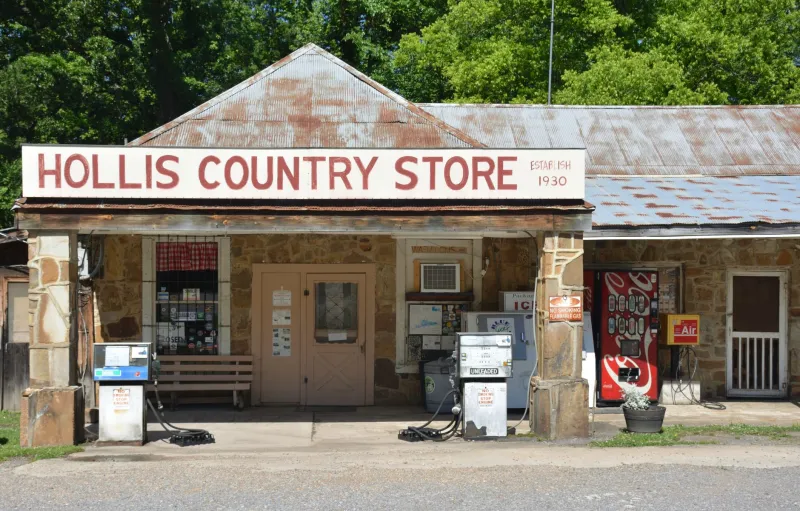
On a lane that doesn’t quite lead anywhere, a shed is doing business. It is November, the light is already leaving, and the shed is lit by a single bulb on a timer. Inside: a cool box of eggs, a shelf of jam, bundles of kindling tied with baler twine, and a tin with a slot in the lid. There is no till. There is no queue. There is a laminated price list and a pen on a string.
This is one of Britain’s unstaffed farm shops — the roadside sheds, converted outbuildings and glorified cabinets that sell whatever is surplus, seasonal or simply too good to waste. They are not a new idea. But in 2026 they are quietly adapting, and they still have something useful to say about how trust works when nobody is watching.
The shop that trusts you first
Honesty boxes are a simple proposition: take what you need, leave the money. The stock is modest — half a dozen eggs, a jar of marmalade, a bag of potatoes, a few logs. The prices are usually round, the maths is done in your head, and the cash tin is often an old biscuit tin with a slot cut into the lid.
What makes them interesting is the order of events. In a normal shop, you pay and then you are trusted to leave. Here, you are trusted first. You pick up the eggs, open the cool box, take the jam, and only then do you feed the tin. The shed does not check your receipt. It assumes you will be decent.
In 2026, that assumption is being tested and updated at the same time. Many sheds now have a small card reader beside the cash tin, or a QR code taped to the shelf. Some take both. The cash tin hasn’t disappeared because cash is still how plenty of people budget, and because a tin with a slot is cheaper and more robust than a payment terminal. But the card reader has widened the audience. You no longer need exact change to buy a cabbage at the end of a dark lane.
What the handwritten signs know
The signs are the best bit. A printed supermarket label tells you what something costs. A handwritten farm-shop sign tells you who is selling it, roughly what mood they are in, and what they expect from you. ‘Eggs £2.50. Please close the gate. The dog is friendly but useless.’ ‘Honesty box — exact change appreciated, exact excuses not.’ ‘Kindling dry, jam set, hens on strike.’
These notices are a shopfront with no marketing department. They reveal the practical ethics of a place: leave the gate as you found it, don’t let the dog out, take the last jar only if you can pay, ring the bell if the light is off. They also act as a tiny local newspaper. One shed might advertise kindling and a Christmas tree collection; another might mention a village hall quiz or a lost cat. The shed becomes a noticeboard with produce attached.
What they know about trust is that it is rarely grand. It is specific. It is the instruction to close the lid, the reminder to bring a bag, the request to pay what you owe. Trust here is not a warm feeling. It is a set of small, repeatable actions.
Why they endure
Staffing a shop is expensive. A shed at the end of a drive is not. For a small grower, an honesty box turns surplus into cash without a second job behind a counter. It also fits how more people want to shop: less packaging, more provenance, a reason to pull over rather than click and wait.
The model is not romantic, though. Theft happens. Some sheds close after a bad run. Others add a camera, a locked box or a sign that says, politely, that the police have been told. Bad weather ruins stock. Food hygiene rules still apply, even when the shop is a shelf in a shed. The honesty box endures not because people are perfect but because most people, most of the time, pay. The economics work because the sums are small and the community is near.
There is also a quieter appeal. In a year when so much retail is designed to remove the human moment entirely, the unattended shed does the opposite. It leaves a gap where a person would be. You fill it with your own behaviour.
The ledger and the low-stakes contract
Many sheds keep a notebook. It is not a receipt; it is a record of small promises. Someone writes ‘Paid £6 for eggs and jam — back for kindling Saturday.’ Someone else notes that they took the last loaf and will bring money tomorrow. The ledger is a reminder that trust is a system with feedback. It works because the amounts are modest and the faces, even the passing ones, are familiar enough.
You are not anonymous exactly. You are a stranger with a number plate. The shed doesn’t ask for your email. It asks you to close the lid.
A different kind of local economy
These sheds sit in the gaps between the farm gate and the farmers’ market. They are part of the quiet infrastructure of local food — not a destination, not an event, just a shelf on a lane. They reward the detour. A jar of jam bought this way tastes like jam, but it also tastes like the five minutes you spent working out which tin to put the money in.
If you find one, treat it well. Bring coins if you can. Take only what you’ll use. Don’t haggle with a sign. Leave the pen where you found it. And if the sign says the hens are on strike, believe it.