Marked Down and Marvellous: Learning to Love the Market's Final Hour
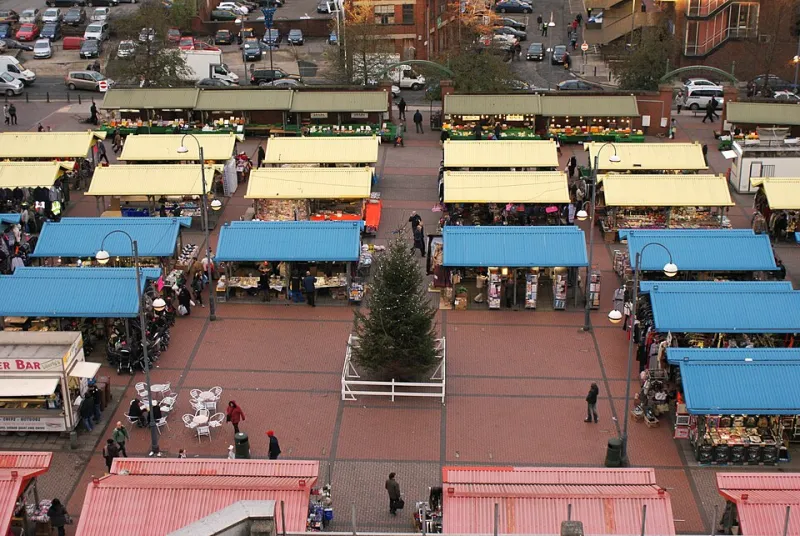
Photo: Rick Carn, CC BY-SA 2.0, via Wikimedia Commons
Somewhere around half past three on a Saturday, a market changes gear. You can hear it before you see it — the clatter of stackable crates, the squeak of a trolley being wheeled out, a trader calling across the aisle to ask whether anyone's got change for a twenty. The pace picks up and the prices come down, and the whole place briefly becomes a much more interesting proposition than it was at eleven o'clock.
This isn't a secret, exactly. But it is a skill, and like most skills it's mostly about timing and manners.
Why the Last Hour Works Differently
A market trader's day is a long argument with logistics. Whatever doesn't sell has to be packed, vaned, driven home and unpacked again. By four o'clock, a punnet of plums isn't stock any more — it's a thing standing between them and a cup of tea.
That economic reality is your opportunity, but it has a shape. The markdowns don't happen all at once and they don't apply evenly. Some stalls will hold firm to the last minute out of pride or policy; others will start cutting at three and be practically giving things away by five. Watching which is which for ten minutes is worth more than any amount of aggressive negotiation.
Equally, the last hour is when the good stuff has often gone. If you've had your eye on one particular item since nine in the morning, don't gamble on it. The closing-hour bargain is a different sport: it's about what's left, and about being relaxed enough to notice it.
Which Stalls Are Worth Waiting For
Fresh produce. The classic. Fruit and veg sellers have perishable stock and no interest in a second journey. Late afternoon is when you'll see bowls knocked down and bags filled generously, the odd bruise traded for a keen price. Go with a rough plan for dinner and you'll do well.
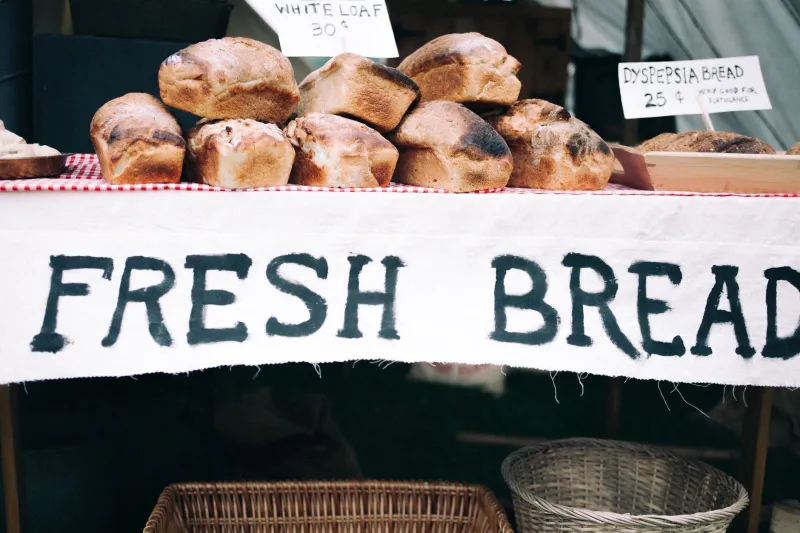
Bakery and cheese. Similar logic, shorter window. Bread at four is bread that won't be sold tomorrow, and a cheesemonger with three cut wedges left is a negotiable cheesemonger.
Flowers. The single best-value purchase in Britain on a Saturday afternoon, assuming you don't mind arranging them yourself and accepting that they've got four days in them rather than seven.
Second-hand books and bric-a-brac. Less about markdowns, more about mood. Dealers who've had a slow day and are facing a van-pack are noticeably more receptive at ten to five than at noon.
Skip entirely: anything made to order, anything the trader has clearly brought in small quantities because it sells, and the hot food van at 4.55pm when the queue is six deep and everyone is tired.
How to Haggle Without Being a Nuisance
There's a version of haggling that works in British markets and a version that gets you politely ignored. The difference is roughly this: you are not negotiating a price, you are offering to solve a problem.
- Bundle. "What would you do for the lot?" is the single most effective sentence in the language. It gives the trader a clean exit and a bigger number than three separate sales.
- Be specific and be quick. Decide what you want, name a fair figure, and accept the answer. Long, theatrical haggling over a £3 item is unkind to somebody who's been on their feet since six.
- Ask, don't announce. "Would you take four for these?" lands very differently from "I'll give you four."
- Take the no gracefully. Some things are priced honestly and some traders simply don't discount. Buy it or don't, but don't sulk.
- Cash, small notes. Nothing kills a late-afternoon deal faster than needing change from a twenty when the float's been banked.
- Don't haggle at the busiest moment. Wait for the gap. There always is one.
And the inverse rule, which is the one people forget: if the price is already absurdly low, pay it. A £1 box of apples from a man who's been standing in the drizzle since dawn doesn't need to become 80p. There's a difference between a bargain and a liberty.
The Best Buy Is Usually Not on Your List
Here's the thing that makes the last hour genuinely enjoyable rather than merely thrifty. Because you've stopped shopping for something specific, you start seeing what's actually there.
A stallholder in the Midlands once sold me a whole tray of slightly bashed quinces for two pounds because he couldn't face loading them. I had no plan for quinces. They became three jars of membrillo and a great deal of boasting. Another time it was a length of Welsh blanket, a box of mismatched cutlery that turned out to be proper old stainless steel, and once — memorably — a wooden mushroom-shaped chopping board that has been in daily use ever since.
None of those were on a list. All of them came from arriving with an open mind, a tenner and forty minutes to spare.
Practical Notes for a November Closing Hour
It gets dark fast at this time of year, so bring a torch or use your phone — and don't be the person holding up a queue while you squint at a label. Markets that run outdoors in winter often start packing earlier than the advertised close, particularly on a wet day; if the forecast is grim, shift your arrival forward by half an hour. Take your own bags, because the bag stall will be shut before you need it. And if you're driving, check the parking restrictions, which in many town centres flip over to evening rates or free periods right around the time the bargains start.
One last thing. Say thank you, and mean it. The traders who've spent the day in the cold are the reason there's anything to look at, and the ones who remember your face in March are worth more than any discount you'll talk them into in November.