A Shelf Full of Maybe: The Town Libraries Lending Drills, Tins and Camping Stoves
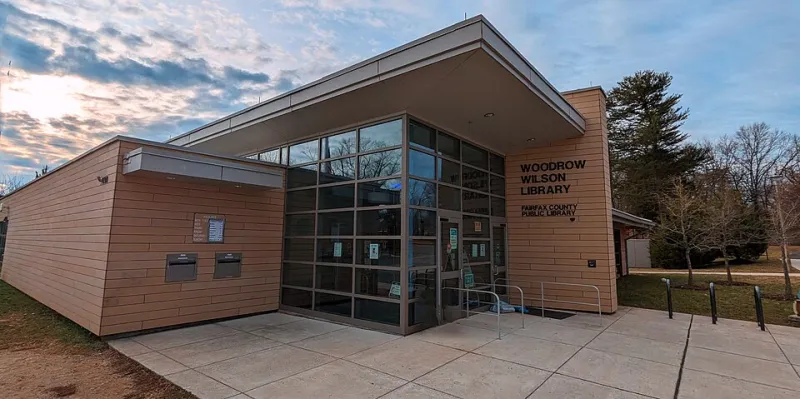
Photo: Mdy66, CC BY-SA 4.0, via Wikimedia Commons
On a wet Saturday morning in a town that could be anywhere in Britain, the most useful thing in the library is not a book. It is a cordless drill with a slightly scratched case and a label promising it will be back by Tuesday.
The shelf behind the counter is a Library of Things: a small, stubbornly practical answer to the question of how we own stuff. In 2026, with lofts full and budgets tight, these projects have moved from quirky experiment to ordinary local service. You join, you reserve, you borrow, you return. The drill goes back on the shelf. The next person gets their shelves up.
The shelf that isn't books
Most Library of Things projects begin with the same insight: we do not need to own everything we might one day need. A wallpaper steamer is brilliant for a weekend and pointless for a decade. A hedge trimmer earns its keep twice a year. A cake tin for a dinosaur birthday cake is not a lifelong commitment.
So the shelves fill up with useful, awkward, occasional things. Drills and sanders. Sewing machines and projectors. Camping stoves, folding tables, trolleys, fondue sets, pressure washers, carpet cleaners, gazebos. Some lend out tools; others lean towards home, garden, parties or outdoor kit. The best ones are shaped by local demand rather than a tidy idea of what a library should be.
Projects such as Edinburgh Tool Library, Borrow Don't Buy in Plymouth, Share Bristol and the London-based Library of Things have shown how varied the model can be. Some sit inside council libraries. Some run from community centres, churches or repurposed shops. Some are volunteer-run; others have paid staff and online booking. What they share is a simple transaction: access without ownership.
The physics of 'might need it'
The environmental case is easy to grasp. A drill bought for one shelf and used for eleven minutes a year is a poor use of metal, plastic and shelf space. Borrowing spreads that impact across dozens of households. It also keeps money in the local economy rather than sending it straight to a warehouse on an industrial estate.
But the more interesting shift is psychological. Owning stuff feels like preparedness. Borrowing admits that most of our preparedness is theoretical. The Library of Things makes room for the maybe: the camping trip you might take, the shelf you might put up, the carpet you might clean before the in-laws arrive. It says you can be ready without being cluttered.
Trust, with a label maker
Any borrowing scheme runs on admin. Membership forms, deposits, booking slots, cleaning rules, late reminders, a volunteer with a label maker and a strong opinion about missing drill bits. It is not glamorous. It is, however, the visible edge of something bigger.
One volunteer behind a Saturday counter put it neatly: 'We don't lend drills because we're saintly. We lend them because people mostly bring them back.' That is the whole trick. The scheme does not require everyone to be perfect. It requires enough people to be decent, most of the time.
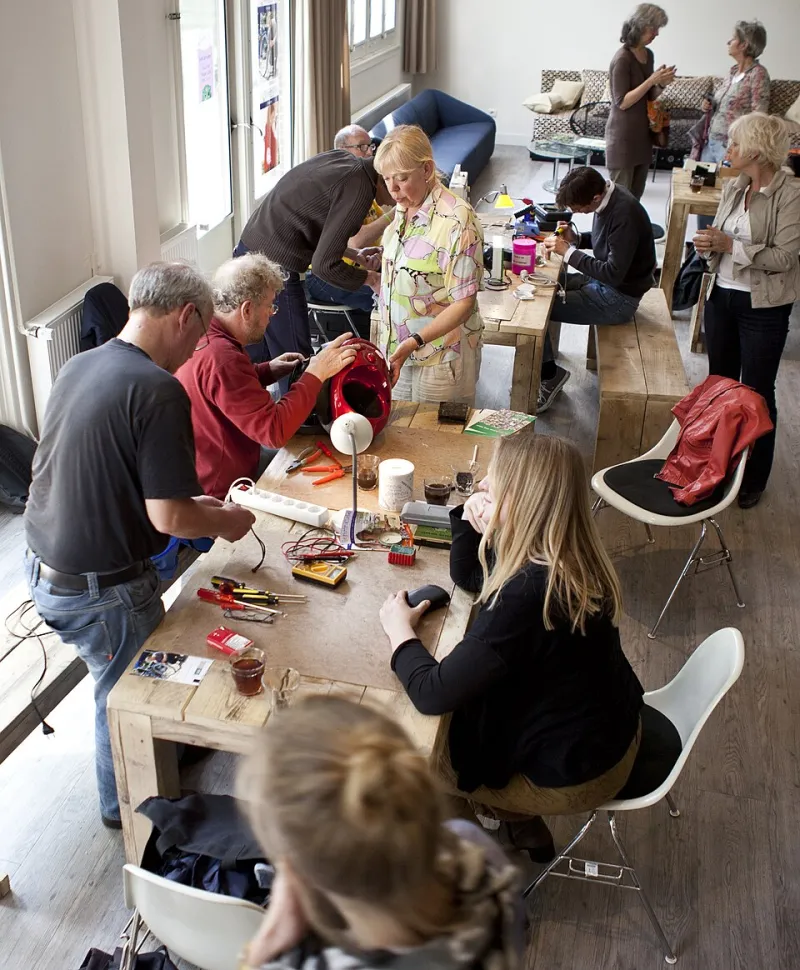
That decency has a texture. A borrower returns a steam cleaner with the attachment bag taped shut. Someone donates a cake tin that has done twenty birthdays. A retired electrician pops in to check the PAT testing labels. The library becomes a place where useful knowledge hangs around with the useful equipment.
The local voices
At one session I watched a woman collect a carpet cleaner she had reserved online. She had priced a new one at more than seventy pounds and decided she could live without owning it. 'I've got a hallway, not a lifestyle,' she said. The cleaner went into the boot of her car and the shelf had a gap in it for two days.
Later, a volunteer pointed out the cake tins. They go out before birthdays and come back with a faint smell of vanilla. The camping gear disappears in school holidays. The drills are steady all year. It is a small map of local life, written in reservations.
How to find one near you
Start with the obvious: search for 'library of things' plus your town, then try 'tool library', 'borrow don't buy' and 'share shop'. Ask at your local library, community centre, repair café or Transition group. Council waste teams often know which projects exist, because prevention of waste is part of their brief.
Before joining, check the practical bits. What does membership cost? Is there a deposit? How long can you borrow? Is booking online or in person? Are electrical items PAT tested? What happens if something breaks? Do you need to clean it before return? A good scheme will answer these without making you feel like you are applying for a mortgage.
How to start one without buying forty drills
If there is nothing nearby, you do not need to begin with a warehouse. Begin with a survey. Ask local groups what they would borrow and what they would lend. Partner with a library or community centre that already has a counter, insurance and opening hours. Start with fifteen high-demand items rather than a fantasy inventory. Write simple rules. Find a volunteer who enjoys spreadsheets and another who enjoys fixing things.
Funding may come from council waste grants, community foundations or local fundraising, but the first job is demand. A Library of Things with a waiting list for steam cleaners is more useful than one with a shelf of unloved pasta makers.
The bigger return
The borrowed drill is not really the point. The point is that a town can build a small piece of shared infrastructure that makes ownership less automatic. It saves money, yes. It keeps useful objects in circulation. But it also makes borrowing normal, and normal is what changes behaviour.
Next time you need something you will use once, try the library first. Not just for books. For the shelf full of maybe.