Take the Weight Off: The Unwritten Rules of Britain’s Memorial Benches

Photo by Photo by Winston Tjia on Unsplash on Unsplash
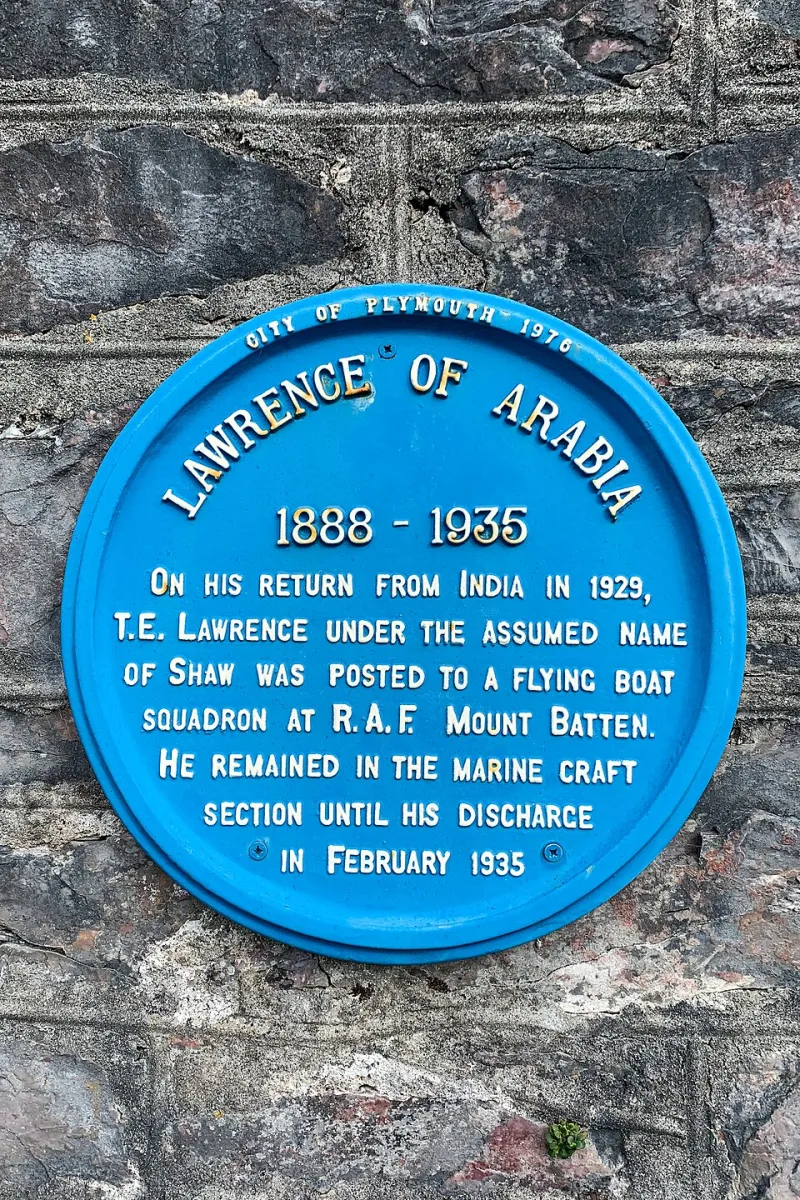
On a damp November afternoon, the best seat in town is often a bench with somebody else’s name on it. You find them along promenades, at the edge of playing fields, under trees in municipal parks, facing a view that may be magnificent or may simply be a car park. A small brass plate catches the light: in memory of someone, or from someone, or for a dog called Nell. The bench is doing two jobs at once. It is a monument, and it is furniture.
That double life is what makes Britain’s memorial benches so quietly fascinating. Unlike a statue, a bench expects you to use it. It does not want reverence. It wants elbows, sandwiches, wet coats and tired legs. The plaque may be sentimental, but the seat itself is practical. It is there because someone wanted a place to remain useful after they had stopped needing it.
A plaque, then a pause
Most people sit first and read second. That order feels correct. You drop down, rearrange your bag, look at the view, and only then notice the little rectangle of brass beside your thigh. Sometimes it names a person and gives two dates. Sometimes it says something like, with grateful thanks for years of happy walks. Sometimes it is a family joke, polished by weather and hands. The inscription is not really an instruction. It is a bit of background music.
This is why memorial benches sit so lightly in the landscape. They are not trying to teach you anything. They are simply saying that a particular patch of pavement, grass or sea air mattered to somebody. The bench makes that feeling available to strangers, which is a generous sort of inheritance.
The democracy of the shared slat
A bench is one of the last places in Britain where you can sit beside a stranger without either of you having to explain yourselves. There is no booking system, no minimum spend, no password. You arrive, you sit, you leave. The bench does not check your credentials. It does not care whether you are early for a train, late for a funeral, or simply avoiding the price of a coffee.
The etiquette is unwritten but widely understood. You leave a gap if the bench is long enough. You nod, or you do not. You keep your phone call short or, better, silent. You do not ask about the plaque unless the sitter invites the question. You do not spread your belongings across the whole seat as if you have reserved it with an invisible coat. And if someone looks as though they need the bench more than you do, you find another one. None of this is law. All of it is noticed.
There is a particular kind of peace in sitting next to someone you will never meet again. You are together and separate. You are sharing a view, a breeze, a few minutes of not being anywhere in particular. In a country that often seems to be rushing between appointments, the bench is a small civic miracle: a place where doing nothing is the whole point.
Who takes the weight off
The answer is almost everyone, eventually. At lunchtime, the benches fill with sandwiches and phones and people who need twenty minutes away from a desk. After school, teenagers claim the ones furthest from the gate, not because they are plotting anything, but because a bench is a place to be without having to buy anything. Dog walkers use them as turning points. Bus waiters use them as waiting rooms without a reception desk. Older people use them to rest, to watch, to remember, to be seen.
And then there are the people who sit because they are carrying something. A bench can hold a person who is grieving, or lonely, or newly retired, or recently moved to a town where they know nobody. It asks no questions. It offers no advice. It simply provides a horizontal surface and a bit of sky. That is not a small thing.
Dogs, places and other small dedications
The most affecting plaques are rarely the grandest. A plaque to a dog can stop you in your tracks. A plaque to a couple who walked here every Sunday for decades can do the same. Some do not name a person at all. They name a place, a view, a habit, a football team, a favourite season. One bench may remember a mother; another may remember the spot where someone proposed. The bench becomes a filing cabinet for local feeling.
This is why memorial benches are such good finds. They are not hidden, exactly, but they are easy to overlook. They sit in plain sight, holding stories that are only available to anyone who slows down enough to read them. You do not need a guidebook or a ticket. You just need to take the weight off.
The rules nobody wrote
If you want to join the society of the bench, start with the obvious: sit, do not sprawl. Keep your voice low. Let the plaque be. If someone is crying, look at the view. If someone is talking to themselves, give them room. If a bench has a small pot of flowers or a windmill or a painted stone, leave it where it is. These are not decorations. They are correspondence.
There is also a duty of care. Benches get weathered, wobbly and forgotten. Some councils run adoption or donation schemes; some local groups repaint and repair them. If you have a bench you love, report the loose slat. Do not carve your initials into the armrest. The bench is already a message. It does not need graffiti on top.
A tiny outdoor living room
In the end, a memorial bench is a very British kind of public building. It is small, understated, slightly damp, and open to all. It asks for no entrance fee and offers no formal programme. It is a living room without walls, a waiting room without anxiety, a monument that expects you to put your feet up.
So please sit. That is what it is for. Read the plaque if you like, or do not. Watch the pigeons, eat your sandwich, wait for the rain to pass. For a few minutes, you are part of the quiet society of the bench, and nobody needs to know your name.