The Two O'Clock Waltz: Tea, Biscuits and the Quiet Revival of the Tea Dance
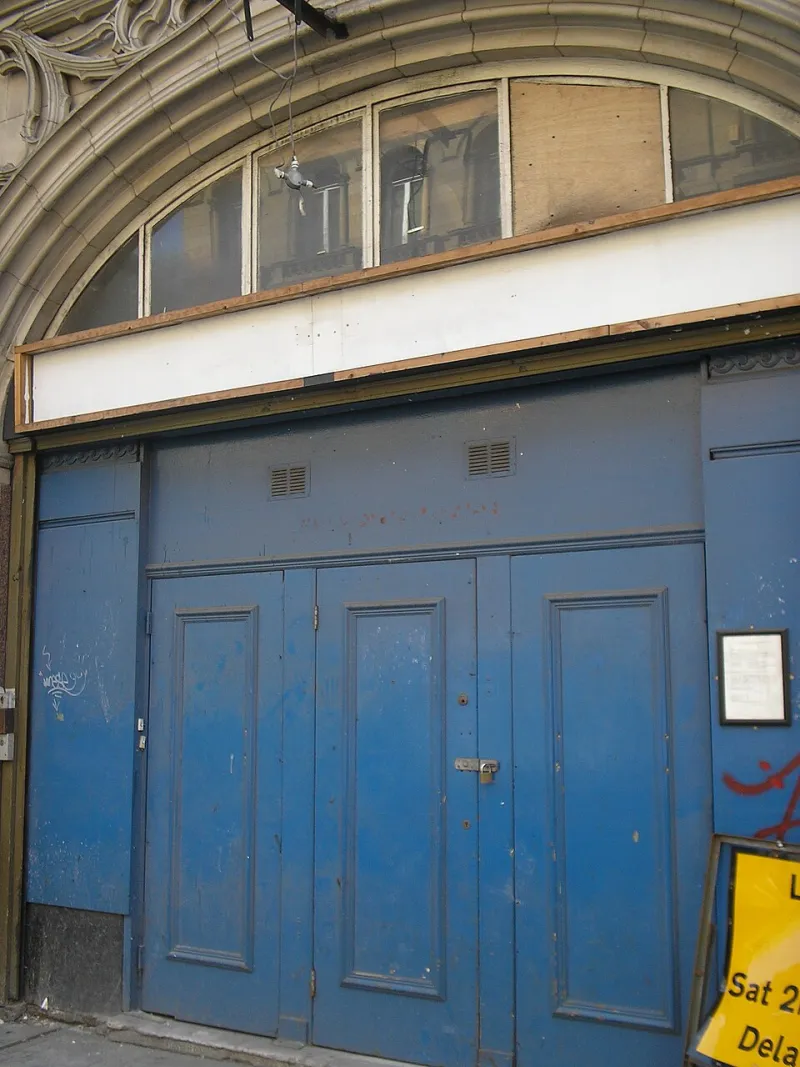
Photo: Kieran Lamb from Ashton in Makerfield, UK, CC BY-SA 2.0, via Wikimedia Commons
At 1.55pm on a Thursday, the ballroom above the old Co-op smells of floor polish, hairspray and orange squash. The tea dance starts at two. On the door, a woman called Pauline takes £7 and hands you a raffle ticket you didn't ask for and will almost certainly lose. Inside, the chairs are arranged around the edge of a sprung floor that has been polished to the point of showing the ceiling. A trio is tuning up: piano, drums and a double bass called Brian.
The bandleader, Alan, is wearing a bow tie and holding a folder of sheet music together with treasury tags. 'We'll start with a waltz,' he says, over the microphone. 'Then a foxtrot. Then we'll see who's still standing.' There are about forty people in the room, ranging from a couple in their fifties to a man in his nineties who is wearing proper dance shoes and the expression of someone who has seen it all before. The urn is on. The biscuits are out. It is, by any reasonable measure, a good find.
The Floor Craft
The floor is the first thing regulars mention. It has give in it, so your knees don't complain in the way they do on a village hall parquet that is really just lino over concrete. There are rules, though nobody has written them down. No trainers. No stilettos. No drinks on the dance floor. Nobody says this out loud, but if you bring a cup of tea onto the floor, you will be looked at in a way that suggests you have brought a ferret to a christening.
The corners are for beginners. The centre is for people doing quickstep, who need the space and have the momentum. 'Don't do the quickstep in the corner unless you want to end up in the kitchen,' says Alan, who has seen it happen. The band plays a waltz first because it is forgiving. A waltz will let you shuffle. A foxtrot will expose you. A quickstep will have you checking your insurance.
The regulars dance with each other, but not exclusively. There is a rota of sorts, an unspoken understanding that you dance with the people who are sitting down as well as the people who are already on their feet. The man in the proper shoes dances with everybody. He is not a show-off. He is a one-man welcome committee.
How to Ask (and How Not To)
The etiquette of the tea dance is simple, but it is not optional. You ask with eye contact and a clear question: 'May I have this dance?' You do not loom. You do not grab. You do not ask somebody who is halfway through a custard cream, because that is not a question, it is an ambush. If the answer is no, you smile and move on. You do not stand there like a dropped pasty.
'It's not a rejection, it's a knee,' says Pauline, who has had two replacements and still does a decent foxtrot. 'People say no for all sorts of reasons. They're tired. They don't know the dance. They've just sat down. It's not personal.' The regulars know this. The newcomers learn it. The ones who don't learn it tend to stand by the tea urn looking wounded, which is not a good look with a digestive in your hand.
There is also the question of the last waltz. Alan calls it at quarter past four, and the floor fills with people who have been saving themselves for it. It is not romantic, exactly. It is more like a collective sigh. The last waltz is for everyone who wants one more turn around the room before the lights go up and the chairs go back.
The Biscuit Economy
The tea is 80p. The biscuits are 30p. There is an honesty box, a small tin with a slot in the top, and a sign that says PLEASE PAY. The sign has been there since the hall was refurbished. The tin is never empty. This is the biscuit economy: a system of trust, custard creams and the occasional bourbon.
The urn is the other centre of gravity. It is a large steel cylinder that produces tea strong enough to stand a spoon in, and a rota of volunteers who know exactly when to top it up. 'You can tell a lot about a tea dance by its biscuit tin,' says Pauline. 'If it's all rich tea, they're not trying. If there's shortbread, you're in the right place.' At Christmas, the shortbread appears. In January, it is back to rich tea. Nobody complains.
Why It's Coming Back
The tea dance never really went away, but it is having a small revival. Some of it is the Strictly effect, a general willingness to try a box step in public. Some of it is timing: an afternoon dance suits people who don't want a late night, and it is cheaper than almost anything else you can do for three hours. Some of it is loneliness, plainly. A room full of people who will ask you to dance is a good room to be in.
There are younger dancers now, too. Not many, but enough to notice. They come because it is good value, because the band is live, because it is not a nightclub. They learn the steps from the people around them and they are generally terrible at first, which is fine. The regulars are patient. They have been terrible at first themselves.
The floor is full by half past two. The trio plays a quickstep that is slightly too fast. The man in the proper shoes is dancing with a woman who is laughing. The urn is on. The biscuits are out. It is not a museum. 'We're not here to be quaint,' says Alan, between numbers. 'We're here to dance.' And then he counts them in, and they do.